Why Responsive Web Design Is Crucial for Every Website
 24 Feb
Why Responsive Web Design Is Crucial for Every Website
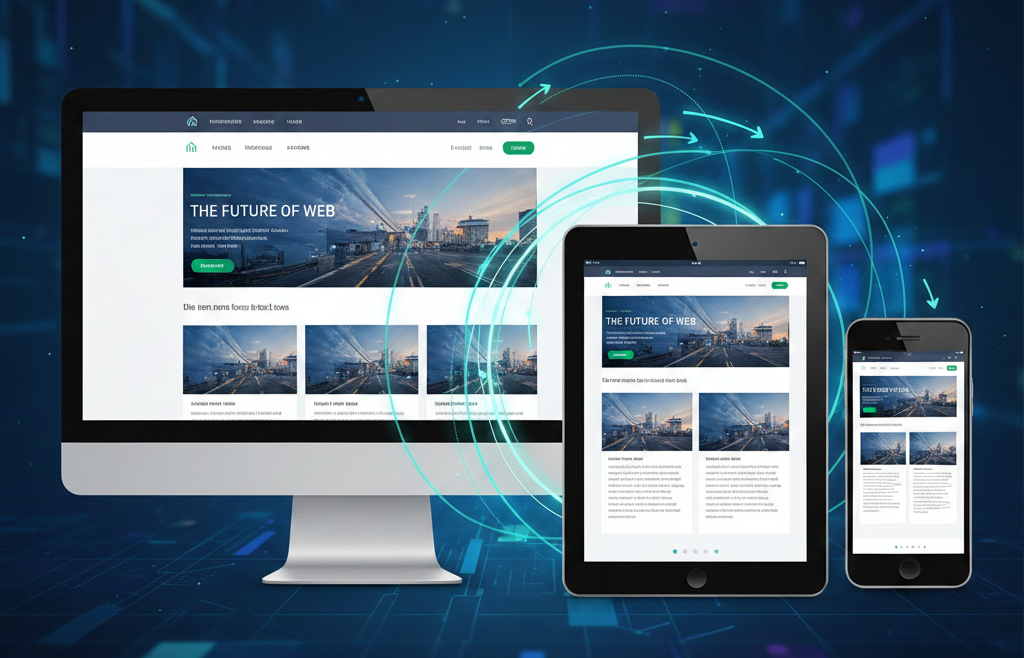
In today’s digital world, users access websites on a variety of devices — from smartphones and tablets to laptops and desktops. This makes responsive web design essential. Understanding why responsive web design is crucial for every website can help businesses provide better user experiences, improve SEO rankings, and increase conversions.
Responsive web design ensures that a website automatically adjusts its layout, images, and content to fit the screen size and resolution of any device, offering a seamless browsing experience for all users.
What Is Responsive Web Design?
Responsive web design (RWD) is an approach to web development that creates flexible and adaptive websites. Using techniques like flexible grids, fluid images, and CSS media queries, RWD allows a single website to work perfectly across all devices without needing separate versions. Key elements of responsive web design include:
- Flexible layouts
- Scalable images and media
- Media queries in CSS to adjust styles based on screen size
- Mobile-first design approach
Why Responsive Web Design Matters
- Improved User Experience
A responsive website ensures visitors can navigate easily on any device, reducing bounce rates and increasing engagement. - Higher SEO Rankings
Search engines like Google prioritize mobile-friendly websites in search results. Responsive design is a key factor in search engine optimization (SEO). - Increased Conversion Rates
Websites that display properly on all devices encourage users to take desired actions, such as making purchases, signing up for newsletters, or filling out contact forms. - Cost and Time Efficiency
Maintaining a single responsive website is more cost-effective than creating separate desktop and mobile versions. It also simplifies updates and maintenance. - Future-Proof Design
Responsive design ensures your website can adapt to new devices and screen sizes that may emerge in the future.
Best Practices for Responsive Web Design
- Use a mobile-first approach, designing for smaller screens before scaling up.
- Implement flexible grids and layouts that adjust dynamically.
- Optimize images and media to load quickly on all devices.
- Ensure touch-friendly navigation for mobile users.
- Test your website across multiple devices and browsers regularly.
Frequently Asked Questions
1. Is responsive design the same as mobile-friendly design?
Not exactly. Mobile-friendly websites may only work on smartphones, while responsive websites adapt seamlessly to all devices, including tablets and desktops.
2. Does responsive design affect website speed?
If optimized properly, responsive design improves speed because images and layouts are tailored for each device.
3. Can I convert an existing website to be responsive?
Yes. A web developer can redesign your current site using responsive principles without rebuilding it completely.
4. Does responsive design help SEO?
Absolutely. Google prefers mobile-friendly and responsive websites, which can improve your search rankings.
5. Is responsive web design necessary for all businesses?
Yes. Regardless of business size or industry, responsive design ensures a consistent and accessible user experience, boosting engagement and conversions.
Is your website truly responsive?
Don’t let poor design drive away visitors.
Contact StepToMedia today and create a website that looks perfect on every device, engages users, and boosts your business growth.

24 Feb, 2026