University Website Development Lebanon: Sites & Admission Portals That Convert
 10 Sep
University Website Development Lebanon: Sites & Admission Portals That Convert
University website development Lebanon institutions depend on is no longer a brochure with a PDF application attached. Prospective students and parents compare programs on their phones, expect clear multilingual journeys, and judge credibility by how smoothly they can start—and track—an application. This guide covers how universities and higher-education groups should approach public websites and student admission portals: applicant UX, multilingual design, integrations, security, and admin workflows that survive peak seasons.
Step to Media has hands-on experience building university websites and admission portals for institutional clients. The patterns below reflect what those projects teach—without inventing campus names or claiming exclusivity.
What Modern University Website Development Lebanon Teams Should Deliver
A university digital presence usually has two tightly related surfaces:
- Save progress reliably and resume without mystery errors.
- Show document requirements early, with file-type and size guidance.
- Use plain-language status labels (“Under review,” “Action needed”) instead of internal codes.
- Offer clear help paths—FAQs, WhatsApp/email, and office hours—without trapping users in dead ends.
Microcopy matters. Error messages that say “invalid input” waste support hours. A mature university admission portal reduces tickets by explaining what to fix and why.
Accessibility basics—contrast, keyboard paths, readable type—also protect inclusivity goals and reduce legal/reputational risk for institutions serving diverse applicants.
Multilingual Experiences That Respect Arabic and English
Many Lebanon campuses communicate in English
Integrations: SIS, Payments, Email, and Identity
Admission portals rarely live alone. Common integration needs include student information systems, payment gateways for application fees, email/SMS providers, document storage, and single sign-on for returning applicants or staff.
Scope integrations explicitly during discovery:
- What is source of truth for applicant identity?
- Which statuses sync where—and how often?
- Who owns failure handling when a payment succeeds but the portal does not update?
For web platform standards and secure browser behaviors, institutional teams often reference resources such as W3C WAI accessibility guidance and MDN Web Docs when aligning frontend quality bars with IT policies.
Security and Privacy Are Enrollment Features
Applicant data includes personal documents, contact details, and sometimes sensitive academic history. Security is not optional polish—it is enrollment trust.
- Does the partner show education or complex portal experience—not only corporate brochures?
- Can they demo multilingual + RTL craft?
- Is security discussed with concrete controls, not slogans?
- Are staff workflows prototyped before full build?
- Is there a post-launch plan for intake season hotfixes?
- Enforce HTTPS everywhere, hardened hosting, and least-privilege staff roles.
- Log administrative access to files and status changes.
- Define retention policies for documents after intake closes.
- Protect against common web risks on upload endpoints and authentication flows.
When Step to Media builds university websites and portals, admin usability gets equal design attention: clearer queues reduce burnout, faster reviews improve applicant experience, and better audit trails protect institutional decisions.
Content governance on the public site matters too. Faculty pages, program updates, and news should be editable by non-developers with roles, previews, and scheduled publishing—otherwise the marketing site drifts out of date by mid-semester.
Selection Checklist for Education Leaders
Editors should be able to update deadlines and requirements without deploying code. That operational independence is often the hidden ROI of professional university website development Lebanon projects: fewer emergency tickets during intake, more accurate public information, and marketing teams that can ship campaign pages in days instead of weeks.
Align analytics events to the same model. Track which program templates drive portal starts, which devices dominate, and where multilingual users abandon. Those insights feed both UX fixes and enrollment strategy conversations with leadership.
Soft Next Step
If your campus is planning a redesign, a new university admission portal, or a connected program marketing site, talk through timelines and integrations early. Contact Step to Media at contact, info@steptomedia.com, or +961 03 510 646. Share your intake calendar, languages, and must-have systems—we will help you shape a realistic delivery plan.
Done well, university website development Lebanon institutions invest in becomes a quiet competitive advantage: clearer stories for applicants, calmer seasons for staff, and digital trust that matches academic reputation.
Those questions separate template rebuilds from durable institutional platforms.
Content Models for Faculties, Programs, and Campaigns
Institutional sites grow messy when every faculty invents its own page structure. A durable content model standardizes program templates—overview, learning outcomes, admission requirements, career paths, tuition notes, and FAQs—while still allowing brand storytelling on landing campaigns.
CMS, Performance, and Institutional SEO
University website development Lebanon search visibility still hinges on clear program pages, fast mobile performance, structured content, and crawlable architecture. Avoid infinite calendar plugins that create thin URLs. Prioritize program and admissions landing pages that answer intent: requirements, deadlines, tuition guidance, and next steps.
Pair SEO foundations with analytics that respect privacy policies—measure funnel drop-off from program page → portal start → submission, not only homepage traffic.
Browse Step to Media’s broader projects and experiential work such as Zaitunay Bay for a sense of how brand-led digital experiences can coexist with operational depth. Related agency services cover web, mobile, and ongoing product support when portals evolve after year one.
Communicate privacy expectations in human language on the portal. Parents and adult learners notice when institutions take data seriously.
Admin Workflows: Make Peak Season Survivable
Beautiful applicant UX fails if staff tools are clumsy. Admission officers need filters, bulk actions, assignment queues, comment threads, and export paths that match real committee processes.
, Arabic, and sometimes French. Multilingual is not a translation plugin checkbox. Navigation information architecture, program naming, and RTL layout need intentional design systems.
Practical rules that hold up in production:
- Decide which language is canonical for SEO URLs and which pages are fully localized vs summarized.
- Design RTL components (menus, forms, dates, numerals) as first-class patterns.
- Keep admissions instructions synchronized across languages when deadlines change.
Institutions that invest here see fewer “I applied to the wrong intake” support threads—and present a more international face to GCC and diaspora applicants.
- The public website — programs, faculties, research stories, events, news, and trust signals for students, parents, alumni, and partners.
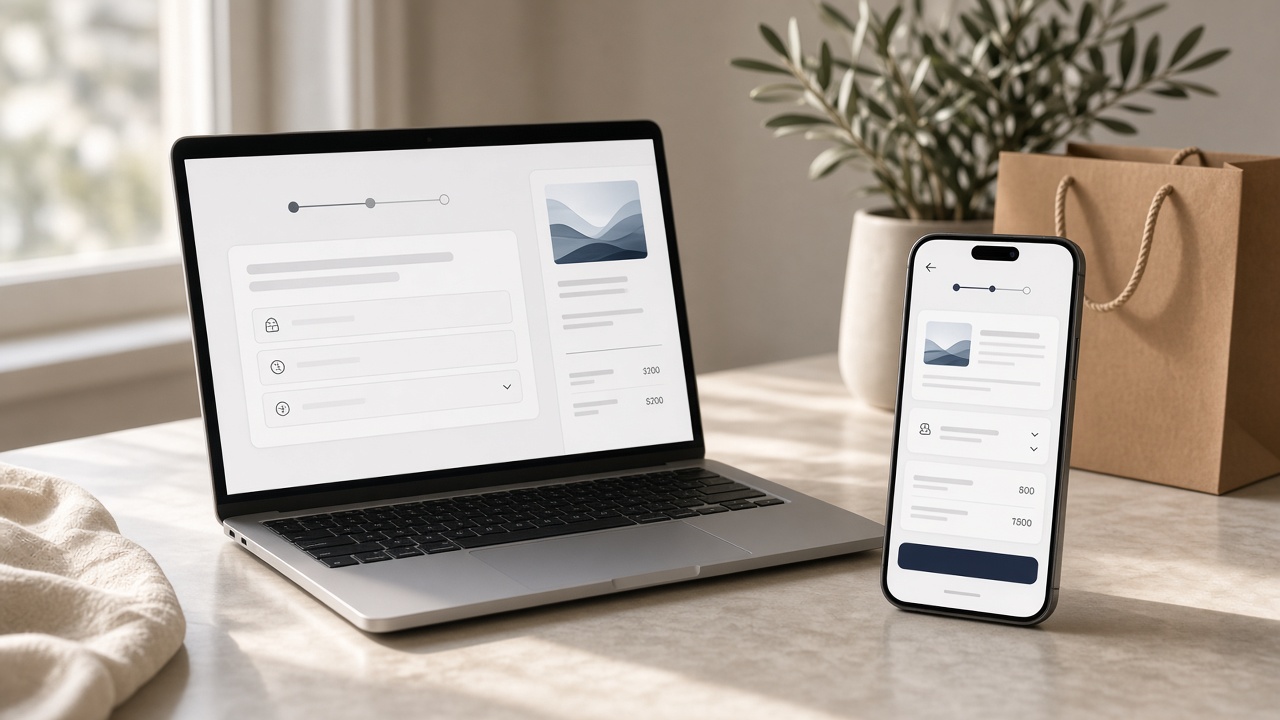
- The university admission portal — authenticated application flows, document uploads, status tracking, messaging, and staff review tools.
Treating them as disconnected vendors creates brand inconsistency and duplicate content headaches. Strong web development connects storytelling with operational systems so a campaign landing page can lead cleanly into a living application file.
Applicant UX: Design for Stress, Not Ideal Days
Applicants often complete forms late at night, on mobile data, while juggling transcripts and deadlines. Portal UX should assume interruption: